About us 👋
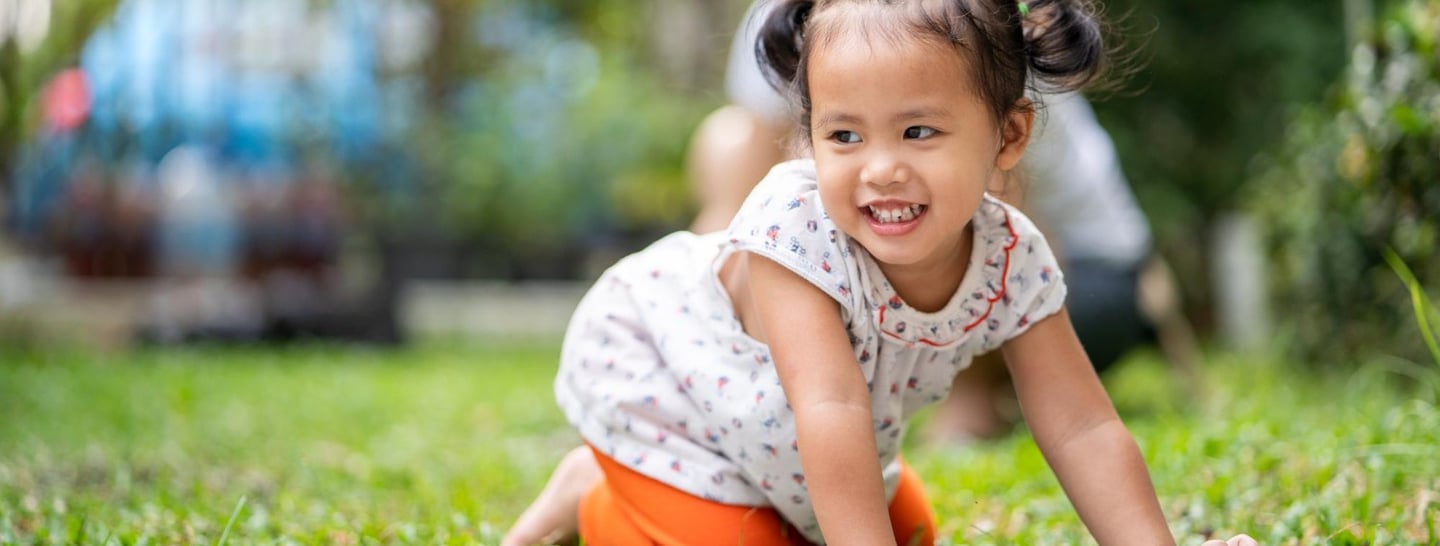



NILE is a licensed child care center and bilingual pre-K located in Damascus, MD. serving children 2-to-5 years old.
We provide a nurturing, bilingual learning environment where young children can grow, explore, and thrive.
Our program blends high-quality early childhood education with a Spanish-English bilingual experience, helping children develop strong communication skills, cultural awareness, and cognitive flexibility from an early age. Our curriculum is play-based, developmentally appropriate, and inspired by Reggio Emilia principles, encouraging curiosity, self-regulation, creativity, and independent thinking.
Families choose NILE because we offer:
A safe, licensed, and nurturing environment with highly trained staff
Bilingual immersion (English & Spanish) that supports language development and school readiness
Hands-on, project-based learning that fosters creativity, problem-solving, and confidence
A strong focus on social-emotional development and individualized attention that fosters the development of strong self-esteem and self-regulation
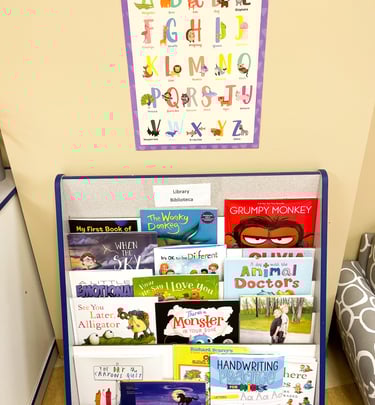
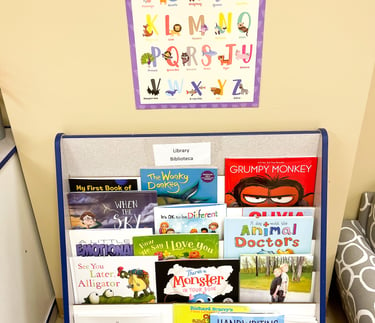
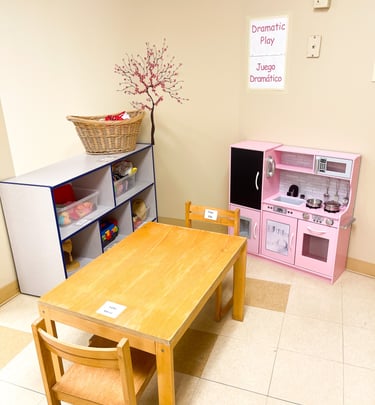
Beautiful indoor and outdoor learning spaces that inspire exploration and discovery
A family-centered approach, offering flexibility, open communication, and support
At NILE, we believe every child is capable, curious, and full of potential, our mission is to provide a rich, joyful foundation for lifelong learning.
NILE, where children come to grow, learn, and be happy.
Why a bilingual child care setting? 💭
Bilingualism in child care is not just a trendy bonus; it is a powerful developmental asset that can shape your child’s brain, identity, and future in remarkable ways. During their early childhood years, a child’s brain is much more capable of absorbing and retaining information than adult’s brains.
Multiple studies have shown that there are many benefits of having a child exposed to a second language in early childhood. Bilingual children have demonstrated increased problem solving and analytical skills, better working memory, and an improved capacity for abstract thinking, among other benefits.
These are just a few of the many advantages of children being exposed to a bilingual setting:
Stronger Communication Skills
Being exposed to two languages greatly contributes to a child’s communication skills and mental dexterity. Bilingual children are proven to be better at reading, writing, and speaking, and they also showcase improved social skills.
Enhanced Executive Functioning: Switching between languages strengthens mental flexibility, problem-solving, and multitasking skills.
Improved Memory: Bilingual children often show stronger working memory, which helps with learning across subjects.
Abstract Thinking and better problem solving: They grasp symbolic and abstract concepts more easily, which can boost math and reasoning skills, improving creativity and flexibility.
Cultural Awareness: Learning multiple languages opens doors to different traditions and perspectives, nurturing respect for diversity.
Global Readiness: In a multicultural world, bilingualism is a major asset for future careers and relationships.


Self-regulation💥
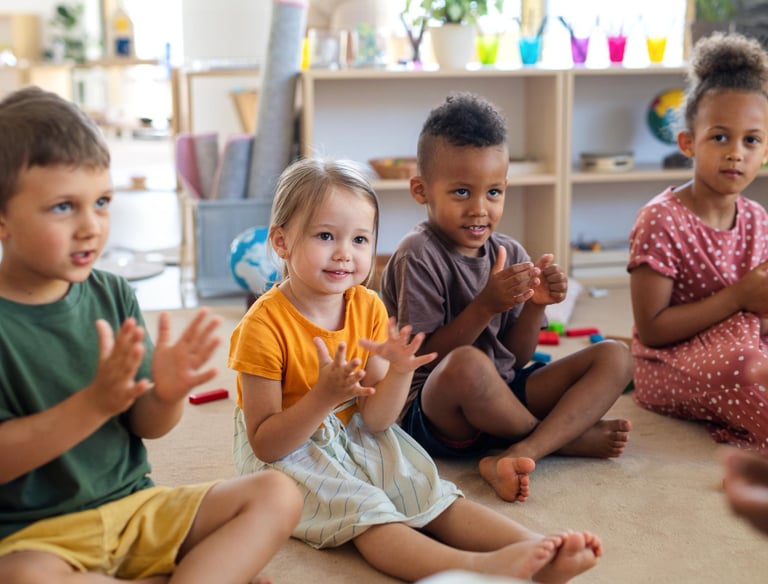
Self-regulation is a child’s ability to manage their emotions, behavior, and attention in a socially appropriate way; self-regulation includes controlling impulses, calming down after excitement or frustration and adjusting behavior to fit different situations.
At NILE, we believe self-regulation is one of the most vital skills children can develop as it is the foundation for emotional resilience, social success, and lifelong learning as self-regulation supports emotional health, boosts social skills, enhances learning, builds independence and improves the child’s overall long-term outcomes.
Helping children build self-regulation is not just about managing behavior; it is about empowering them to thrive emotionally, socially, and intellectually.
One of the most powerful tools we use at NILE is avoiding overstimulation⚡
Overstimulation happens when a child is bombarded with more sensory input than they can process -think flashing screens, many bright colors, loud noises, constant activity, or too many toys and tasks at once-.
Overstimulation leads to an emotional overload and children may become irritable, anxious, or prone to tantrums because they can’t regulate their emotions amid constant input; this may lead to poor sleep patterns or sleep disruption, delayed development as children struggle with attention, impulse control, and emotional regulation, reduced creativity as constant entertainment and stimulation can make children intolerant of boredom, which is actually a key ingredient for imaginative play and problem-solving, social challenges as children who are overstimulated may find it harder to connect with others, wait their turn, or enjoy slower- paced activities like reading or outdoor play.
Overstimulation is not just about too much noise or screen time it is about giving children space to breathe, reflect, and grow at their own pace, that is why at NILE we offer a safe, calm, uncluttered and predictable environment and routine; we limit screen time and noisy environments, encourage quiet play, nature time, and open-ended activities, we respond to fussiness, withdrawal, or hyperactivity with soothing and calming strategies.